
If you’ve been told you need fingerprinting for a job, a license, immigration, or a background check, your first question is probably the same as everyone else’s — how much is this going to cost me?
It’s one of the most searched questions online related to fingerprinting services. And the honest answer is: it depends. But that’s not a satisfying answer when you’re trying to budget for an important application, an employment requirement, or a legal process.
This guide breaks down everything you need to know about fingerprinting cost in Oregon and beyond — from standard ink cards to FBI background checks — so you can walk in knowing exactly what to expect and avoid paying more than you should.
What Is the Average Cost of Professional Fingerprinting?
The national average cost for professional fingerprinting ranges from $20 to $75 per session, depending on the type of service, the provider, and your location. However, this wide range exists because fingerprinting is not a one-size-fits-all service.
A basic ink roll fingerprint card (such as an FD-258) is typically the least expensive option, often ranging from $20 to $40. Live scan electronic fingerprinting, which submits prints digitally to the FBI or state agencies, generally costs between $35 and $75. Specialized services like ATF fingerprinting, FINRA fingerprinting, or FBI background checks with apostille authentication carry additional fees.
In Oregon specifically, fingerprinting costs at professional providers like PDX Fingerprinting are competitive and transparent — with no hidden fees or surprise charges. Understanding the breakdown before you book will help you choose the right service at the right price.
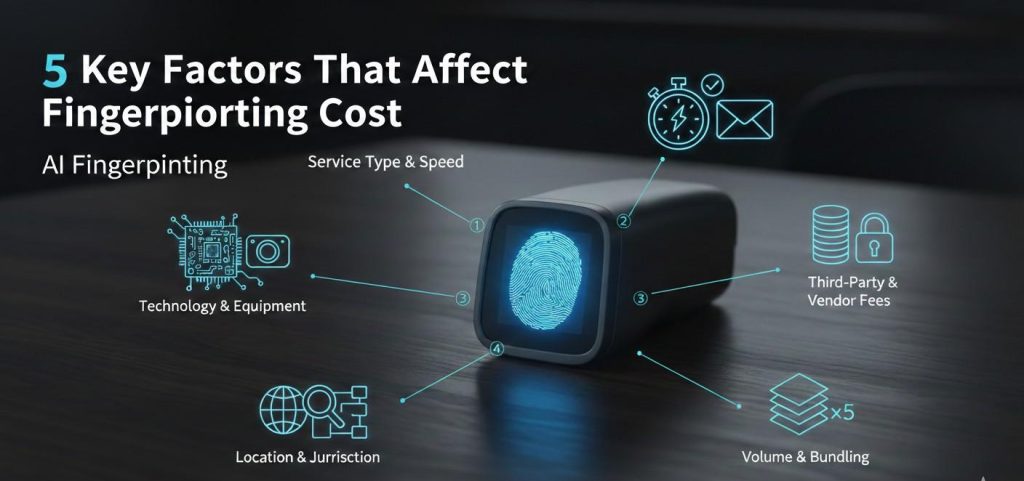
5 Key Factors That Affect Fingerprinting Cost
1. Type of Fingerprinting Service
The biggest factor influencing fingerprinting cost is the type of service you need. Not all fingerprinting services are the same, and each one is priced differently based on the technology, processing time, and destination agency involved.
Ink roll fingerprinting — the traditional method using black ink on paper cards such as FD-258, SF-87, or FD-1164 forms — is the most affordable option. This method is still required by certain agencies, embassies, and international applications.
Live scan electronic fingerprinting uses digital scanning equipment to capture your prints and submit them directly to agencies like the FBI, FDLE, or state licensing boards. Because it involves digital transmission and AI-assisted quality verification, the fingerprinting cost for live scan tends to be slightly higher than ink cards — but the speed and accuracy make it worth it.
2. Purpose of the Fingerprinting
Why you need fingerprinting directly affects the total cost. A standard employment background check fingerprinting will cost less than an FBI fingerprint background check with apostille authentication needed for international use.
Here’s a general breakdown by purpose:
Employment fingerprinting (standard): $25–$55 FBI background check (for visa, immigration, or federal employment): $50–$100 ATF fingerprinting (for NFA and firearm applications, EFT file creation): $40–$80 FINRA fingerprinting (for financial professionals): $50–$90 FDLE fingerprinting (Florida-based background check from Oregon): $45–$75 Apostille fingerprinting (FBI background check + apostille certification): $150–$250+
Keep in mind that some of these costs include government processing fees that are separate from the service provider’s fingerprinting cost. Always ask your provider what is and isn’t included in the quoted price.
3. Number of Fingerprint Cards Needed
Some agencies require multiple sets of fingerprint cards. For example, immigration applications may require two complete sets of ink cards, while some international employers or embassies request three or more sets for their documentation process.
Most providers charge per set. At PDX Fingerprinting, you can order a set of 10 or a set of 20 fingerprint cards, with pricing scaled accordingly. Ordering in bulk is often more cost-effective if you know you’ll need multiple sets for different agencies or purposes.
4. Location and Provider Type
Where you get fingerprinted matters. Police stations, courthouses, and government offices occasionally offer low-cost or free fingerprinting — but availability is limited, walk-in hours are restricted, and wait times can be long.
Private professional fingerprinting services like PDX Fingerprinting offer more flexibility, faster turnaround, certified accuracy, and additional services like mobile fingerprinting and same-day appointments. The slightly higher fingerprinting cost at private providers is offset by the convenience, professionalism, and reliability they deliver.
In the Portland, Oregon metro area, PDX Fingerprinting has locations in Lake Oswego, Beaverton, and Hillsboro — plus mobile appointment options in Portland — making professional fingerprinting accessible wherever you are.
5. Mobile vs. In-Office Fingerprinting
If you can’t travel to a fingerprinting location — whether due to mobility issues, a busy schedule, or a large group that needs fingerprinting — mobile fingerprinting is an excellent option. However, convenience comes at a small premium.
Mobile fingerprinting typically costs $20–$50 more than in-office services, as it covers the technician’s travel time and equipment. For businesses, nonprofits, or organizations needing group fingerprinting, mobile services can actually be more cost-effective per person than sending every employee to a location individually.
PDX Fingerprinting offers mobile fingerprinting services across the Portland metro area, including Lake Oswego, Beaverton, Hillsboro, and surrounding communities, bringing professional biometric identification directly to you.
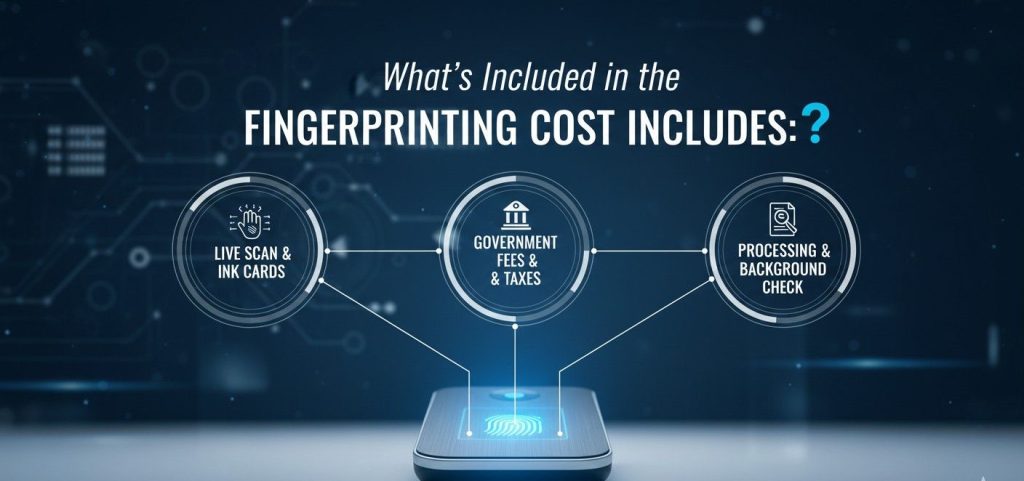
What’s Included in the Fingerprinting Cost?
A common source of confusion is not knowing what the quoted fingerprinting cost actually covers. Here’s what a reputable provider should include:
The base fingerprinting cost typically covers the fingerprint capture session itself, quality checks to ensure prints are clear and acceptable, and submission of results to the requesting agency (for live scan services). At PDX Fingerprinting, AI-assisted image quality verification is included, which significantly reduces the chance of print rejection.
What is typically NOT included in the base fingerprinting cost are government processing fees (such as FBI channeling fees), state background check fees, apostille authentication costs, and rush processing or same-day turnaround fees.
Always ask your provider for a full cost breakdown before your appointment so you know exactly what you’re paying for and what additional fees may apply.
Hidden Costs to Watch Out For
Not all fingerprinting providers are transparent about their pricing. Here are a few extra charges that can catch clients off guard.
Rejection and resubmission fees are one of the most frustrating surprise costs. If your fingerprints are rejected by the FBI or a state agency due to poor print quality, some providers charge you again for a resubmission. PDX Fingerprinting uses advanced quality verification to minimize rejections — but always ask your provider what their resubmission policy is before booking.
Expedited processing fees apply when you need your background check results faster than the standard timeframe. FBI fingerprint results typically take 2–7 business days, but expedited services can cut that down significantly for an additional fee.
Form fees are sometimes charged separately for official fingerprint cards like FD-258 or SF-87. Confirm whether these are included in the quoted fingerprinting cost.
Apostille and notarization fees are additional if you need your FBI background check certified for international use. This process involves separate authentication steps and is priced accordingly.
Is Cheap Fingerprinting Worth It?
When it comes to fingerprinting cost, the temptation to go with the cheapest option is understandable. But cheap fingerprinting can end up costing you more in the long run.
Poor quality prints that get rejected by the FBI or a state agency mean you’ll need to go back and get fingerprinted again — paying twice. Unverified providers may not use properly calibrated equipment, resulting in blurry or incomplete prints that fail quality checks.
More critically, if you’re fingerprinting for a visa, immigration application, or professional license, a rejected submission can delay your process by weeks or even months. The fingerprinting cost savings of $10 or $15 aren’t worth that risk.
Choosing a certified, experienced provider like PDX Fingerprinting — a woman-owned business serving Oregon and Washington with over a decade of experience — ensures your prints are captured right the first time.
How PDX Fingerprinting Keeps Costs Transparent and Fair
At PDX Fingerprinting, the belief is that you should know exactly what you’re paying for before you ever walk through the door. Pricing is posted clearly, consultations are available to help you choose the right service, and there are no hidden fees.
Services available at PDX Fingerprinting include live scan and ink card fingerprinting on FD-258, SF-87, and FD-1164 forms, FBI background checks, ATF fingerprinting and EFT file creation, FINRA fingerprinting, FDLE fingerprinting for Florida-based requirements, mobile fingerprinting for individuals and groups, child and newborn fingerprinting, immigration background checks, apostille services, notary services, and certified document translation.
With locations in Lake Oswego, Beaverton, and Hillsboro — plus mobile services throughout greater Portland — PDX Fingerprinting makes it easy to get certified, accurate fingerprinting at a fair price wherever you are in Oregon.
How to Save Money on Fingerprinting Without Cutting Corners
You don’t have to overpay to get quality fingerprinting. Here are a few smart ways to keep your fingerprinting cost down:
Book in advance rather than requesting same-day rush processing, which carries a premium. If you need multiple ink card sets, ask about bulk pricing — ordering a set of 10 or 20 cards at once is more economical than returning multiple times. For businesses or nonprofits that need group fingerprinting, mobile on-site sessions are usually more cost-effective per person than individual office visits. And always confirm whether your agency covers all or part of the fingerprinting cost — many employers, licensing boards, and government agencies reimburse fingerprinting fees.
What to Bring to Your Fingerprinting Appointment
Showing up prepared saves you time and avoids unnecessary rescheduling fees. Bring a valid, government-issued photo ID such as a driver’s license, state ID, or passport. If your agency provided a specific form or ORI number, bring that with you. Know in advance whether you need ink cards, live scan, or both — and how many sets are required.
If you’re unsure what to bring or which service you need, the team at PDX Fingerprinting is available by phone, email, or WhatsApp chat to guide you through the process before your appointment.
Final Thoughts on Fingerprinting Cost
Fingerprinting cost in Oregon typically falls between $20 and $100 for most standard services, with specialized or expedited services ranging higher. The key is choosing a provider that is transparent, certified, and experienced enough to get your prints right the first time.
Cheap options may seem attractive upfront but can lead to costly rejections and delays. Investing in professional fingerprinting from a trusted Oregon provider is almost always the smarter financial decision in the long run.
PDX Fingerprinting is proud to serve clients across Lake Oswego, Beaverton, Hillsboro, Portland, and beyond with fast, accurate, and fairly priced fingerprinting and background check services. Whether you need a basic ink card or a full FBI background check with apostille, we’re here to make the process easy, affordable, and stress-free.