If you have ever been asked to get fingerprinted for a job, immigration application, professional license, or background check, you may have found yourself wondering exactly what the fingerprinting process involves. Is it complicated? Does it take long? What happens to your fingerprints afterward?
These are completely reasonable questions — and the answers are simpler than most people expect.
The fingerprinting process is a structured, professional procedure used to capture your unique biometric identifiers and submit them to the appropriate agencies for identity verification and background screening. When done correctly by trained professionals, the entire process typically takes less than 30 minutes and produces results that agencies accept on the first submission.
This guide walks you through every step of the fingerprinting process from start to finish. Whether you are coming in for live scan fingerprinting, ink and roll fingerprinting, FBI fingerprinting, or a specialized service like ATF or FINRA fingerprinting, this breakdown will tell you exactly what to expect.
Why the Fingerprinting Process Matters
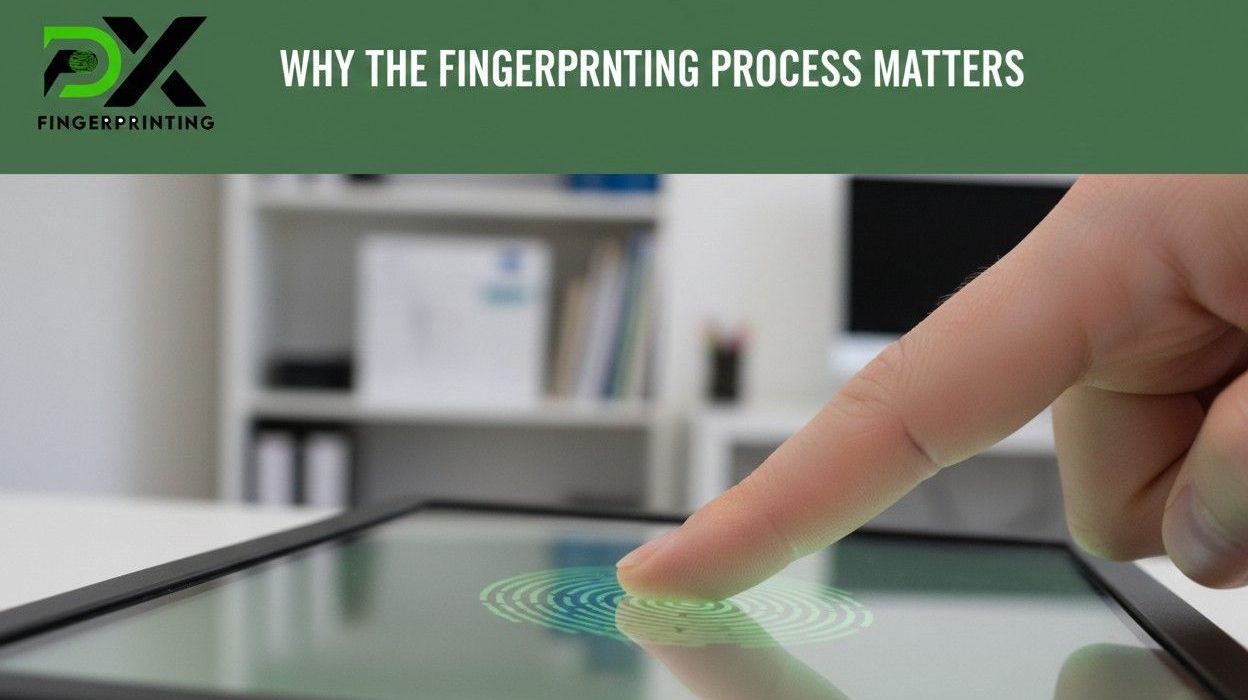
Fingerprints are one of the most reliable forms of biometric identification in existence. No two people in the world share the same fingerprint pattern — not even identical twins. This uniqueness is what makes fingerprint-based background checks so powerful and so widely trusted by government agencies, employers, and licensing boards.
The fingerprinting process is used in a wide range of contexts. Employers use it to screen job applicants for criminal history. Federal agencies such as the FBI use it to verify identity and run comprehensive background checks. Immigration authorities require it as part of visa and green card applications. Licensing boards for healthcare, education, financial services, and law enforcement use it to ensure that applicants meet safety and integrity standards.
When the fingerprinting process is conducted by a certified professional using proper equipment, the results are accurate, fast, and accepted by virtually every agency that requires them. When it is done poorly — with improper technique, substandard equipment, or untrained staff — it leads to rejected submissions, application delays, and frustrating do-overs.
This is why choosing a professional fingerprinting service like PDX Fingerprinting in Oregon is not just a convenience. It is a decision that directly affects the outcome of your application.
Step 1: Schedule Your Appointment
The fingerprinting process begins before you even walk through the door. The first step is scheduling your appointment with a certified fingerprinting provider.
At PDX Fingerprinting, we offer 24/7 online booking, making it easy to secure a time that works around your schedule. We have convenient locations across the Portland area, including Lake Oswego, Beaverton, and Hillsboro, and we also offer mobile fingerprinting services that bring our equipment directly to your home, office, or organization.
When booking, have your identification documents ready and know in advance what type of fingerprinting you need. Different agencies require different submission formats. An FBI background check for immigration uses a different process than an ATF fingerprinting card for firearms registration. Our team will guide you if you are unsure.
Step 2: Arrive With the Right Documents
On the day of your appointment, bring valid government-issued photo identification. This is a non-negotiable part of the fingerprinting process, as your identity must be verified before any fingerprints are captured.
Acceptable forms of identification typically include a current driver’s license, a state-issued ID card, a valid passport, a military ID, or a permanent resident card. Some agencies require specific forms of ID, so check your authorization form in advance and bring whatever documentation is listed.
If you have been given an authorization form, ORI number, or agency reference number by your employer or licensing board, bring that as well. This information tells the technician exactly where your fingerprints need to be submitted and in what format.
Arriving prepared eliminates delays and ensures the fingerprinting process moves smoothly from the very first step.
Step 3: Identity Verification by the Technician
Once you arrive, a certified fingerprinting technician will verify your identity by reviewing your provided documents. This step confirms that the person being fingerprinted matches the identification on file and that your information will be correctly associated with the fingerprint submission.
The technician will record your full legal name, date of birth, and other relevant personal information. This data is cross-referenced with the authorization information provided by the requesting agency.
Accuracy at this stage is critical. A simple error — a misspelled name, an incorrect date of birth, or a missing middle initial — can cause a mismatch between your fingerprints and your identity records, leading to delays or rejection further down the line. At PDX Fingerprinting, our technicians are trained to verify every detail carefully before proceeding.
Step 4: Fingerprint Capture — Live Scan or Ink and Roll
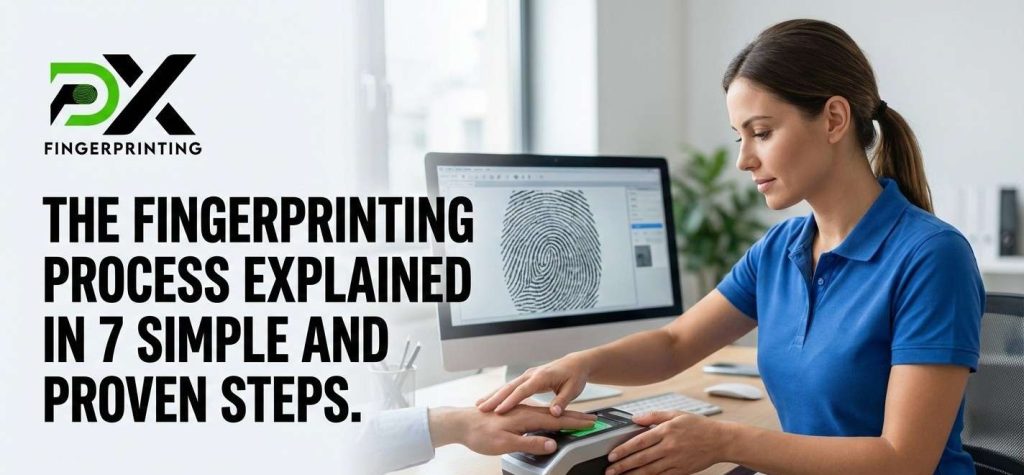
This is the core of the fingerprinting process — the actual capture of your fingerprints. There are two primary methods used today: live scan fingerprinting and ink and roll fingerprinting.
Live scan fingerprinting is the modern, digital method. Your fingers are placed on a glass scanning surface connected to a live scan device, which captures high-resolution digital images of your fingerprints in real time. The images are immediately checked for quality before the session ends, ensuring that clean, clear prints have been captured. This method is fast, clean, and produces results that can be submitted electronically within minutes.
Ink and roll fingerprinting is the traditional method, where your fingers are rolled across an ink pad and then pressed onto a fingerprint card — most commonly the FBI’s standard FD-258 card, the SF-87 card, or the FD-1164 form. This method is still required by certain agencies, particularly for some federal applications and firearms-related submissions through the ATF. PDX Fingerprinting is equipped to handle all card formats.
Both methods capture the same information — the unique ridge patterns of your fingertips — but they differ in how that information is recorded and transmitted.
Step 5: Quality Check and Re-Rolling If Needed
One of the most important and often underappreciated parts of the fingerprinting process is the quality check. After your prints are captured, the technician reviews them carefully to ensure they meet the quality standards required by the receiving agency.
Poor quality fingerprints are one of the most common reasons for rejected submissions. Factors that can affect print quality include dry or cracked skin, worn fingerprint ridges from manual labor, scarring, or simply incorrect placement and pressure during the capture.
If a print does not meet quality standards, the technician will re-roll that finger immediately. This is completely normal and does not indicate a problem. A good fingerprinting professional will take the time needed to capture clean, usable prints rather than rush the process and risk rejection.
Before coming in for your appointment, moisturize your hands lightly in the days leading up to it and avoid heavy manual work the day before. Hydrated skin produces significantly better prints than dry skin.
Step 6: Fingerprint Submission to the Appropriate Agency
Once high-quality prints have been captured and verified, the next stage of the fingerprinting process is submission. How this happens depends on the method used and the agency receiving the prints.
For live scan fingerprinting, prints are transmitted electronically to the FBI, state bureaus, or other authorized databases within minutes of capture. PDX Fingerprinting is an FBI-approved channeler, which means we are authorized to submit fingerprints directly to the FBI on behalf of our clients. This dramatically speeds up processing times compared to submitting through the mail.
For ink and roll fingerprinting on physical cards, the completed card is either given directly to you for mailing — with some submissions going directly to the FBI’s Criminal Justice Information Services division in West Virginia — or submitted on your behalf depending on your agency’s requirements.
FINRA fingerprinting submissions go directly to the Financial Industry Regulatory Authority database through an approved electronic submission process. ATF fingerprinting for the National Firearms Act requires a completed fingerprint card to accompany your NFA application.
Our team at PDX Fingerprinting handles the correct submission route for every service we offer, so you never have to worry about sending prints to the wrong place or in the wrong format.
Step 7: Processing and Results
The final stage of the fingerprinting process is waiting for the results. Processing times vary significantly depending on the agency, the type of check, and the submission method used.
FBI background checks submitted electronically through an approved channeler like PDX Fingerprinting typically return results within 24 to 72 hours for most standard requests. Expedited FBI background check services can return results even faster for urgent applications.
State-level background checks processed through live scan typically return results within a few business days. FINRA background checks generally take slightly longer due to the depth of the financial and criminal review involved.
If your fingerprints are rejected due to poor quality, the process restarts from the capture stage. This is another reason why getting clean, accurate prints the first time — with a trained professional — saves you days or even weeks of additional waiting.
Once your results are returned, they go directly to the requesting agency, or in some cases are provided to you to submit with your application materials. Our team will walk you through exactly what to expect based on your specific service.
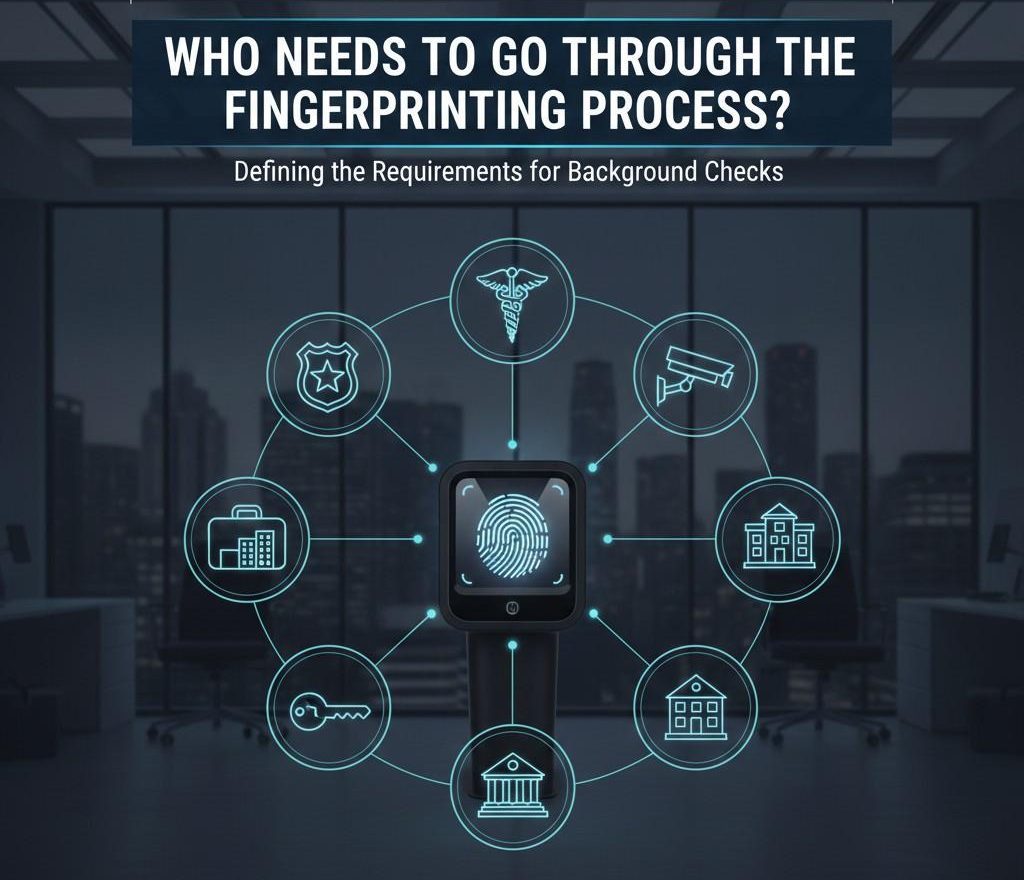
Who Needs to Go Through the Fingerprinting Process?
The fingerprinting process is required in a surprisingly wide range of situations. Employment background checks are the most common, particularly for jobs in healthcare, education, childcare, finance, government, and law enforcement. Federal employees and contractors are almost always required to undergo FBI fingerprinting as part of their onboarding process.
Immigration applicants — including those seeking green cards, work visas, and citizenship — must complete fingerprinting as part of the USCIS biometrics appointment process. Firearms dealers and individual buyers completing NFA registrations go through ATF fingerprinting. Financial professionals applying for licenses regulated by FINRA must complete an electronic fingerprint submission.
Parents and guardians who want to create a biometric safety record for their children can also take advantage of our newborn and young kids fingerprinting service — a proactive tool for child identification in emergency situations.
Mobile fingerprinting is available for businesses, non-profits, schools, and organizations that need to fingerprint multiple individuals on-site. Our team brings everything needed to your location, making the fingerprinting process as convenient as possible for groups.
What Makes PDX Fingerprinting Different?
At PDX Fingerprinting, we have built our reputation on accuracy, professionalism, and a genuine commitment to making the fingerprinting process as smooth as possible for every client.
We are an FBI-approved channeler and a women-owned business proudly serving the Portland metropolitan area, including Lake Oswego, Beaverton, and Hillsboro. Our certified technicians are trained to capture clean, high-quality prints the first time, reducing the risk of rejection and keeping your application on schedule.
We offer live scan fingerprinting, ink and roll fingerprinting on FD-258, SF-87, and FD-1164 cards, FBI fingerprinting, ATF fingerprinting, FINRA fingerprinting, FDLE fingerprinting, mobile fingerprinting, background checks for businesses and non-profits, and a full suite of additional services including apostille, notary, document translation, I-9 verification, and passport photos.
Everything is available under one roof — or at your door if you choose mobile service. Booking is fast, easy, and available 24/7 online.
Conclusion: The Fingerprinting Process Is Simple When You Work With the Right Team
The fingerprinting process does not have to be confusing or stressful. When you understand each step — from scheduling and identity verification to print capture, quality checking, submission, and results — it becomes a straightforward procedure that typically takes under 30 minutes.
The key is working with a certified, experienced provider who takes the process seriously. Poor quality prints, incorrect submission formats, and identity data errors are all avoidable when you choose professionals who know exactly what they are doing.
At PDX Fingerprinting, we handle the fingerprinting process correctly, completely, and confidently — every single time.
Ready to get started? Book your appointment online today at pdxfingerprinting.com — 24/7 online booking, same-day appointments available, and convenient locations across the Portland area.
PDX Fingerprinting is Oregon’s trusted provider of professional fingerprinting, background check, notary, apostille, and translation services. We serve individuals, businesses, and non-profits with accuracy, speed, and care.
Website: pdxfingerprinting.com | Phone: 503-212-0678 | Email: in**@***************ng.com