

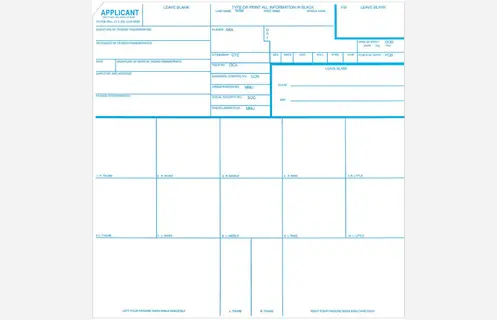
Live Scan & Ink Card Fingerprinting on FD-258, SF-87, FD-1164
PDX Fingerprinting is the platform where you get quick live scan fingerprinting. Our live scan fingerprinting service uses state-of-the-art technology to ensure fingerprinting with flawless precision.
Starting from $35
FBI Fingerprinting & Background Check
PDX Fingerprinting offers FBI Fingerprinting for background check. Whether you are looking for the right job, immigration, adoption, or personal review, PDX Fingerprinting is here to streamline the process.
Starting from $135

FBI Apostille Services
Are you looking for the easiest way to get an apostille? Get professional apostille services at PDX Fingerprinting. Our experts carry out the documentation and certification process per standard requirements and regulations.
Starting from $195
ATF/NFA Fingerprinting Service
PDX Fingerprinting provides professional ATF fingerprinting card services, making obtaining firearms licenses quick and easy. Get in touch with us. Let’s make your documentation process easier!
Starting from $110
FDLE Fingerprinting & Background Check
Are you looking for a quick and easy way to get your Florida background check? Look no further, because PDX Fingerprinting is here to help! We are FDLE-approved Live Scan Vendors.
Starting from $120
FINRA Fingerprinting
PDX Fingerprinting offers electronic fingerprint submission directly to FINRA, which allows for much quicker results than the traditional mailing method. We are affordable, disciplined, and professional.
Starting from $95
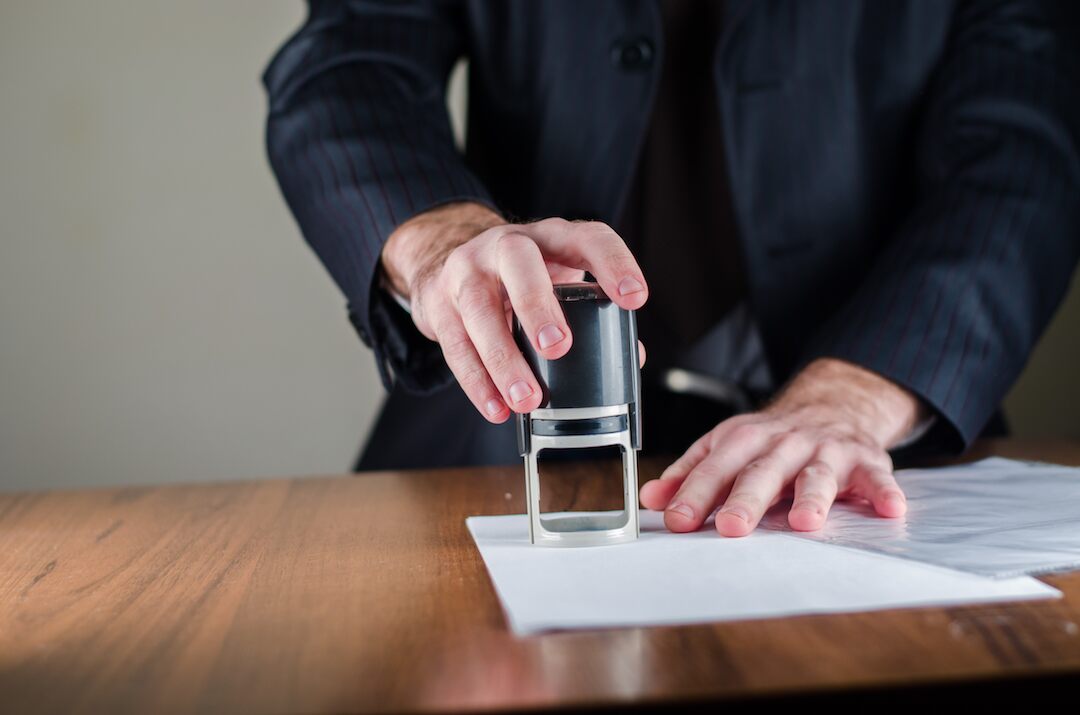
Mobile Notary Services
PDX Fingerprinting offers professional mobile notary services that come directly to you, whether at your home, office, or any location of your choice. Our team of experienced and certified mobile notaries makes document verification easy, accurate, and convenient, without you ever having to leave your door.
Starting from $70
Certified Document Translation Services
As a longtime member of the American Translators Association (ATA), we specialize in translating Immigration Applications, USCIS Requests, Naturalization and Visa Applications, FBI Fingerprint and Identity Summaries for Spanish Visas, and Driver’s Licenses.
Starting from $65
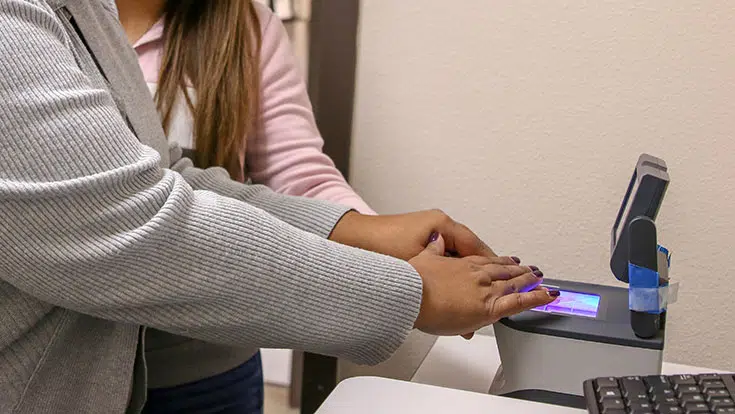
Mobile Fingerprinting
Do you wish your fingerprinting to be done in the comfort of your home? Consider your wish granted. At PDX Fingerprinting, we offer mobile fingerprinting services. Our trained staff will visit you in person and scan your fingerprints.
Request a Quote
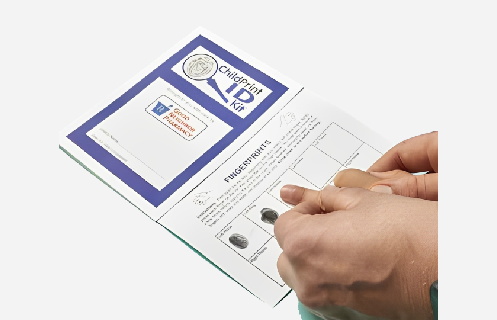
Oregon State Apostille & out of State
PDX Fingerprinting handles Oregon State apostille certification fast and accurately. We prepare and submit your documents to the Oregon Secretary of State, ensuring they're accepted internationally. Trusted, experienced, and hassle-free.
Starting from $195
Background Checks for Businesses & Non Profits
In today’s competitive business landscape, ensuring the safety and integrity of your organization is paramount. A key step in keeping your business secure is conducting thorough background checks on employees, volunteers, tenants, and other individuals associated with your business.
Starting from $135
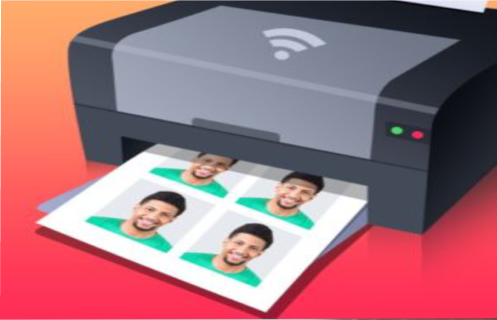
Passport Photo Services
You are in lucky PDX Fingerprinting provides end-to-end passport and visa photo services. Let’s capture the best image for your passport and visa applications. Contact us today to book your appointment.
Starting from $19.99

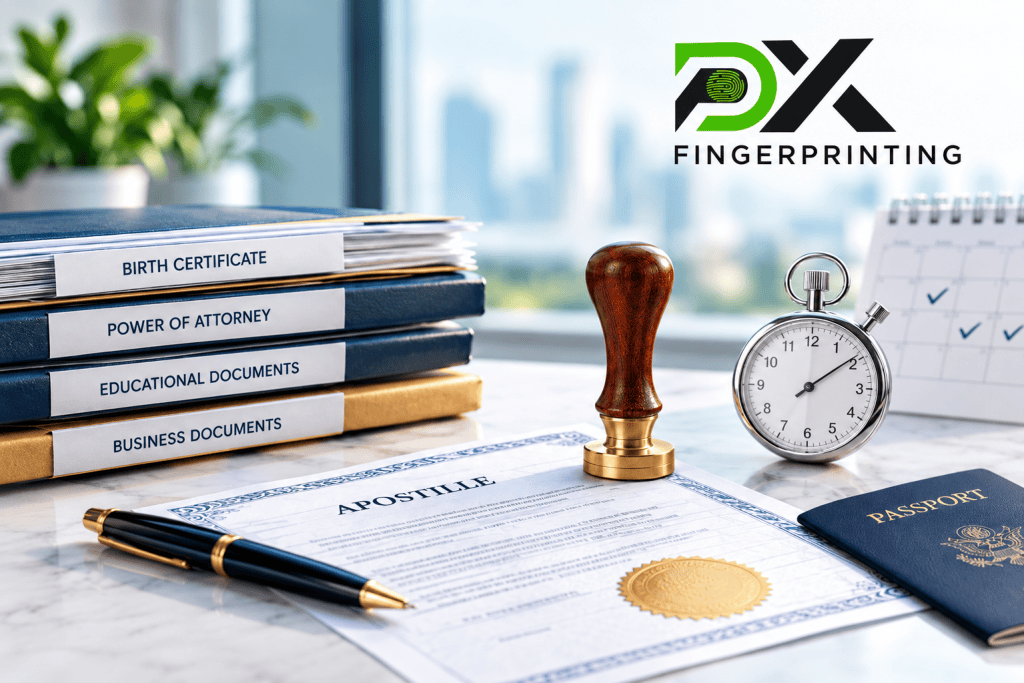
5 Apostille Services Secrets to Save You Time
If you have ever needed a document authenticated for use in another country, you already know how confusing the process…

Apostille Birth Certificate NY: 5 Costly Mistakes
Almost every week, someone walks into one of our Portland offices holding a New York birth certificate and asks us…
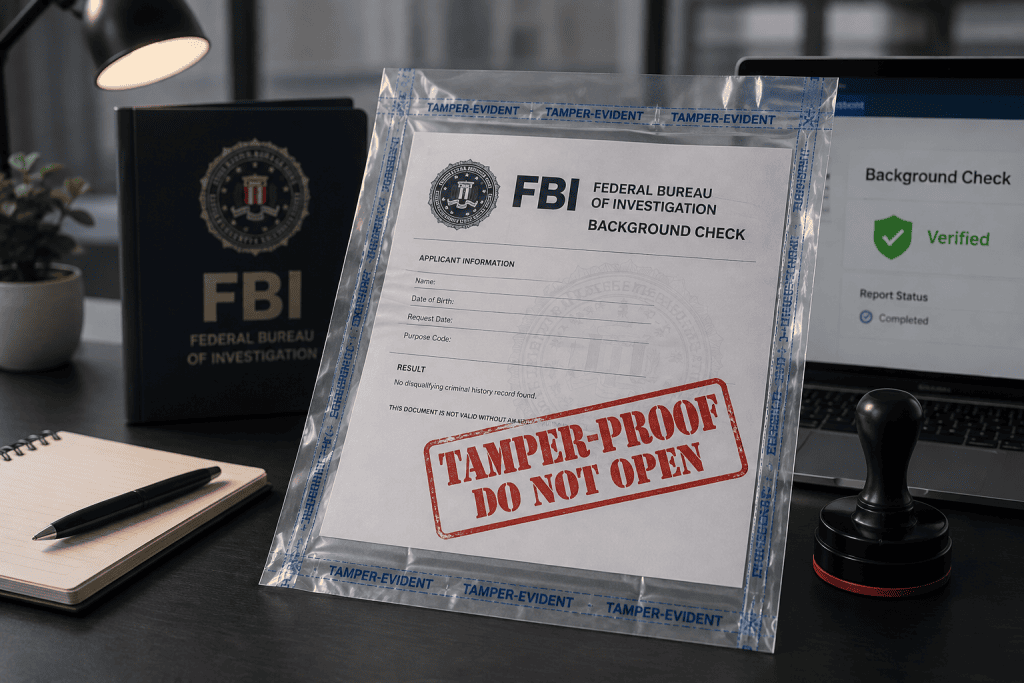
7 Proven Tamper Proof FBI Background Check Secrets
If you have ever applied for a job, a professional license, an adoption, or a volunteer position that requires federal…