
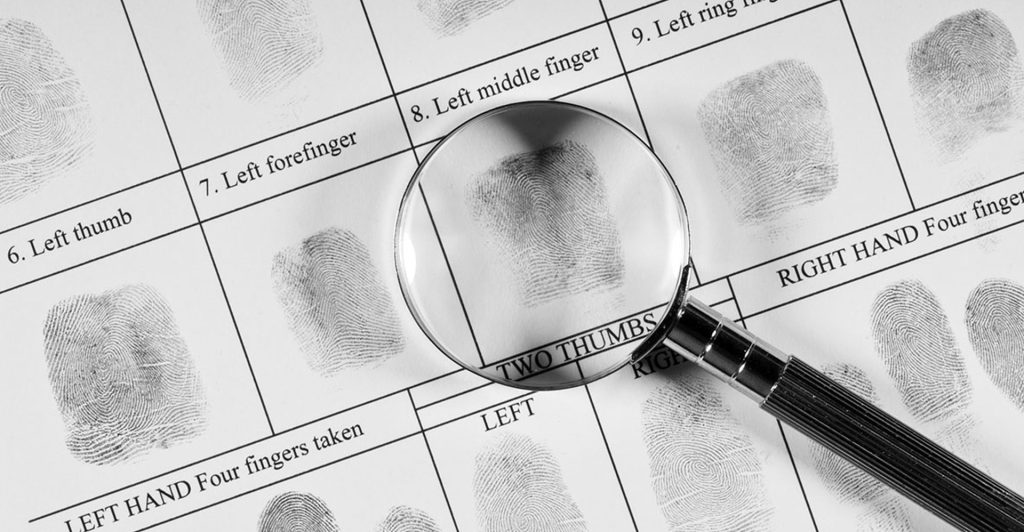
There is no “pass” or “fail” on an FBI fingerprint background check. The FBI reports what is on your record, and the employer, licensing board or government agency that asked for the check decides what it means for you. Here is how that works, what typically causes problems, and what to do before and after your check.
Need this done in the Portland area? PDX Fingerprinting offers FBI background check fingerprinting at our Beaverton, Hillsboro and Lake Oswego offices, plus mobile service across the Portland metro. Book an appointment online.
Can you fail an FBI background check?
Not in the way you fail a test. An FBI Identity History Summary lists arrests and their outcomes that law enforcement agencies have reported with fingerprints. It is then up to the requesting organization to decide whether anything on it matters for the job, license or visa.
What looks like a “fail” usually comes from one of three things:
- A disqualifying record under the rules of that specific job or license (for example, certain offenses for childcare, healthcare or securities work).
- An incomplete record, such as an arrest with no court outcome listed, which makes the agency pause and ask questions.
- Rejected fingerprints, where the prints were too poor to read and the check never ran.
What shows up on an FBI fingerprint check
| Usually shows | Usually does not show |
|---|---|
| Arrests reported to the FBI with fingerprints | Most traffic tickets and civil matters |
| Court outcomes (dispositions) that were reported | Credit history, employment or education |
| Federal, state and military records submitted by agencies | Records that were never fingerprinted or reported |
| Sex offender registration in many cases | Many sealed or expunged records, once the FBI is updated |
Read more in what shows up on an FBI fingerprint check.
Why incomplete records cause the most trouble
A common problem is an old arrest that shows no final outcome, even though the charge was dismissed. The agency only sees the arrest. You can fix this by getting certified court records showing the outcome and asking for the record to be updated, either through the agency that reported it or directly with the FBI.
The FBI explains that you can challenge information on your Identity History Summary through its online system or by mail, and it will verify the information with the agency that submitted it (see this FBI challenge summary).
How to protect yourself before a background check
- Check your own record first. Request your own FBI Identity History Summary before you apply, so there are no surprises.
- Gather court paperwork for anything that appears, especially dismissed or reduced charges.
- Be honest on the application. Leaving off something that later appears is often treated more seriously than the record itself.
- Use a fingerprinting provider who checks print quality, so the check is not delayed by a rejection.
Our FBI background check service takes your prints and submits them electronically. If you need it for use abroad, add an FBI apostille.
Fields where a record matters most
- Healthcare and caregiving: nursing, home care and facility staff are screened closely for abuse, theft and drug offenses.
- Schools and childcare: offenses involving children, violence or sex crimes are usually disqualifying.
- Finance and securities: FINRA and banking roles look closely at fraud, theft and dishonesty offenses.
- Firearms and explosives: ATF and NFA checks focus on felonies, domestic violence and certain drug offenses.
- Government and clearance jobs: investigators weigh the whole record, along with how honest you were on your forms.
In many other jobs, an old or minor record is only one factor among many.
Your rights during an employer check
Oregon’s “ban the box” law generally stops employers from asking about criminal history on a job application or before an interview. Under federal guidance, employers are encouraged to look at the nature of the offense, how long ago it happened and whether it relates to the job, rather than rejecting everyone with a record.
If an employer uses a background screening company and plans to reject you based on the report, federal law (the Fair Credit Reporting Act) generally requires them to give you a copy of the report and a chance to respond first.
If you think you may “fail”
- Request your own FBI record first, so there are no surprises. Our FBI background check service costs $135.
- Gather court papers showing the final outcome of any case.
- Ask whether an old case can be set aside or sealed. An attorney or legal aid office can advise you.
- Be upfront with the employer or board. Honesty often matters more than the record itself.
Frequently asked questions
Will a dismissed charge make me fail?
A dismissed charge is not a conviction, but the arrest may still appear. Make sure the record shows the dismissal. See do dismissed charges show up on a background check.
Do expunged records show up?
Once the expungement has been reported to the FBI, the record should no longer be shared for most purposes, but updates can lag. See do expunged records show up on fingerprinting.
What happens if my fingerprints are rejected?
The check does not run and you need new prints. See what to do if your FBI fingerprints are rejected.